Shifting digital wallet flows reshape progressive prize builds in handheld roulette sessions
Taylor Zimmermann · Aug 23, 2026
Shifting digital wallet flows reshape progressive prize builds in handheld roulette sessions
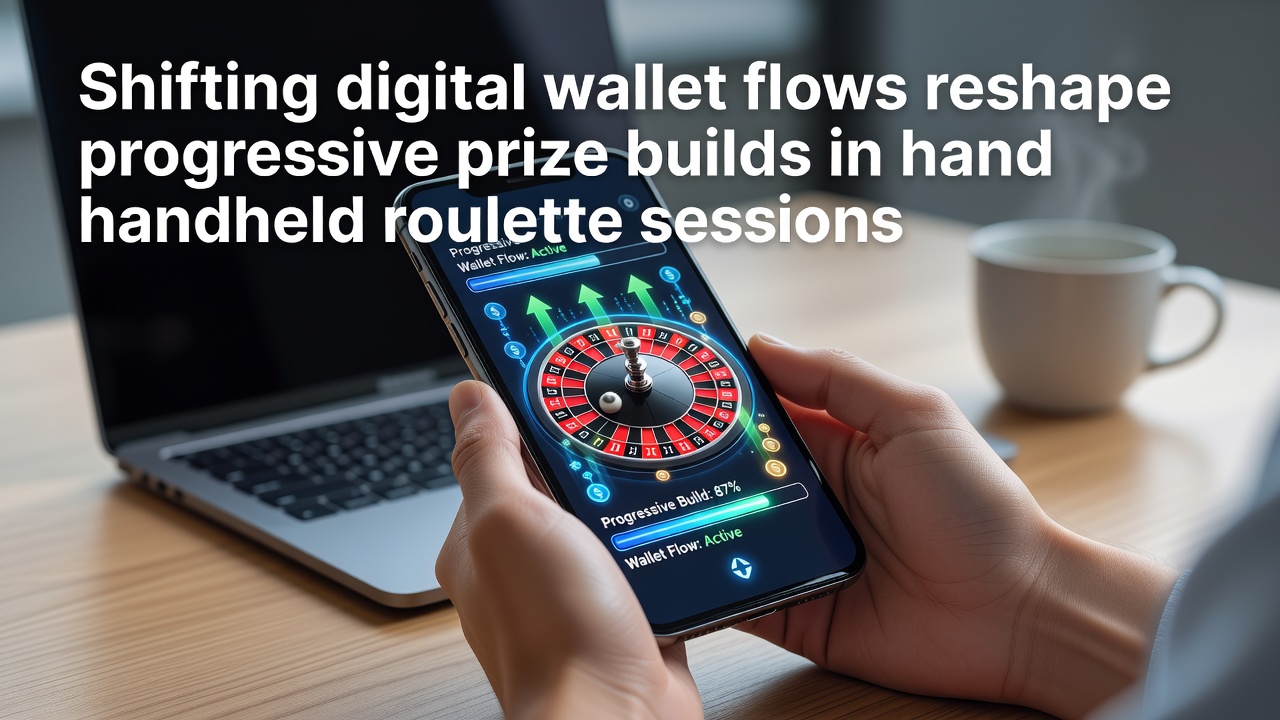
Digital wallet adoption continues to alter how funds move into progressive jackpot pools during mobile roulette play, with transaction patterns shifting across multiple markets. Data from payment processors indicate that instant transfers through services such as Apple Pay, Google Pay, and regional e-wallet providers now account for growing percentages of deposits on handheld devices, which in turn affects the rate at which contributions reach shared prize accumulators. Observers note that these flows differ from traditional card or bank transfers because wallet transactions often clear in seconds rather than hours, allowing operators to allocate portions to jackpots without the previous delays.
Payment velocity and jackpot contribution timing
Research compiled by the Nevada Gaming Control Board shows that average deposit confirmation times dropped by more than 40 percent between 2023 and 2025 when players switched to digital wallets on mobile platforms. This acceleration means progressive prize meters in roulette titles receive incremental funding more rapidly during peak evening hours, when handheld sessions tend to cluster. Figures released in mid-2026 further reveal that wallet-based deposits now represent over 35 percent of total mobile roulette volume in several North American jurisdictions, up from 18 percent two years earlier.
Because each wager contributes a fixed percentage to the progressive pool, faster inflows translate directly into larger meter increments within shorter windows. Operators have adjusted backend allocation scripts accordingly, routing wallet transactions through dedicated ledgers that update jackpot servers every few seconds instead of batching them at the end of each hour. Those adjustments produce visible meter climbs that players can observe in real time on their screens.
Regional variations in wallet infrastructure
European operators report similar patterns yet encounter different regulatory overlays. The Malta Gaming Authority tracks wallet usage separately from card payments, and its quarterly bulletins list separate contribution rates for each method. In Australia, data collected by the Australian Communications and Media Authority highlight that local digital wallet services integrated with banking apps have increased cross-border play on international roulette networks, thereby spreading contributions across multiple licensed pools rather than concentrating them in single-operator jackpots.
One study conducted by researchers at the University of Macau examined transaction logs from 2024 through early 2026 and found that players who rely primarily on digital wallets tend to place smaller but more frequent bets, which spreads contributions more evenly across time. This behavior contrasts with larger, less frequent deposits made via bank wires, which create sharper spikes in pool growth followed by longer plateaus.
Network fragmentation and pool dynamics
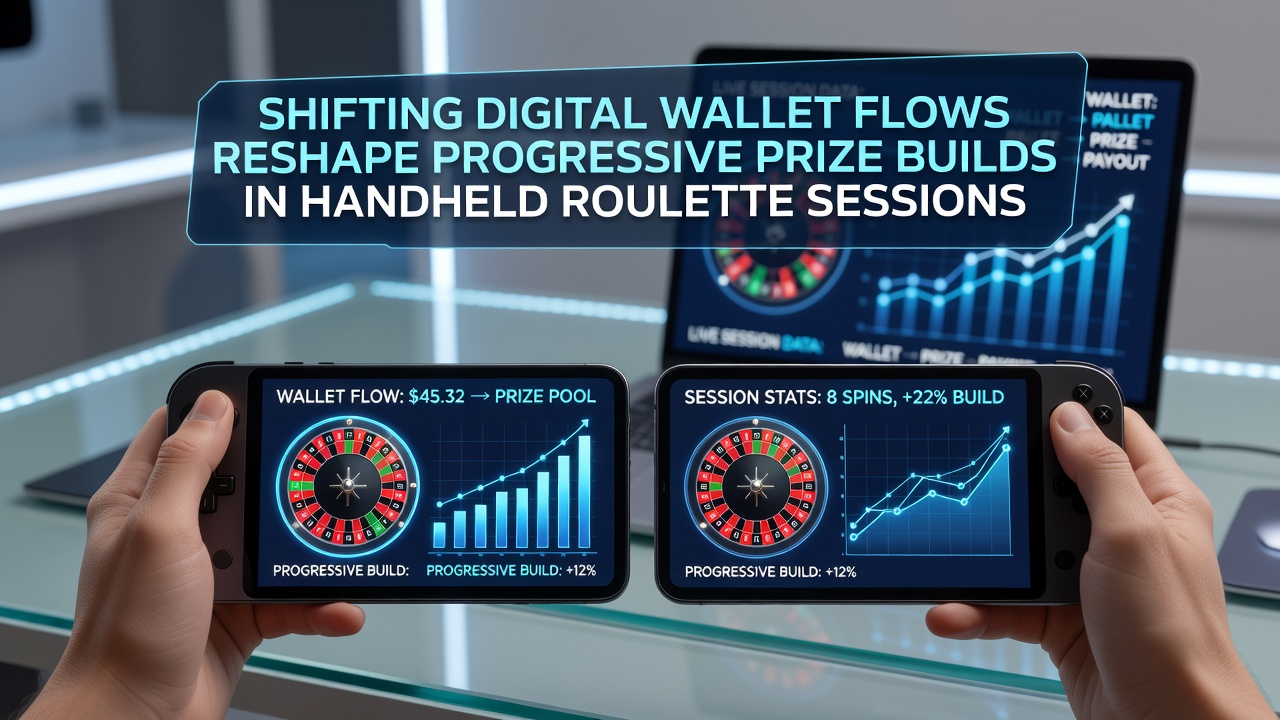
Progressive roulette networks often link multiple operators across jurisdictions, yet wallet providers impose their own geographic restrictions and settlement rules. When a player in one region deposits via a wallet unavailable in another region, the contribution may route to a localized pool instead of the shared network meter. Industry reports from the European Gaming and Betting Association document an increase in such segmented pools since 2025, noting that some networks now maintain parallel meters to accommodate different payment rails.
Those who've analyzed server logs observe that wallet-driven fragmentation can slow the growth of headline jackpots while accelerating smaller, region-specific prizes. In August 2026 several major networks introduced new reconciliation protocols that merge contributions from multiple wallet types into unified meters at the close of each calendar day, aiming to restore broader participation without violating local licensing conditions.
Device-level authentication and session continuity
Handheld roulette sessions benefit from biometric authentication built into most digital wallets, which reduces login friction and extends average play duration. Longer sessions generate more individual wagers, each adding to the progressive total. Analytics platforms that monitor session lengths report that wallet-authenticated users remain active approximately 22 percent longer than those completing card-based logins, according to aggregated figures shared at the 2026 International Gaming Summit.
Because progressive contributions depend on wager volume, extended sessions compound the effect of faster deposit flows. Operators have responded by refining mobile interfaces so that wallet balances display alongside jackpot meters, encouraging continued play once funds arrive. These interface changes appear in titles released after March 2026 and coincide with measurable upticks in per-session contribution totals.
Conclusion
Shifts in digital wallet usage continue to influence both the speed and distribution of progressive prize accumulation in handheld roulette. Transaction velocity, regional infrastructure differences, network segmentation, and device authentication each play measurable roles in how meters grow. Data collected through 2026 demonstrate that these factors produce distinct patterns compared with earlier payment methods, prompting operators to adapt allocation systems and interface designs accordingly.